Chasing Walls, Not Paperwork: Power Upgrades in Torquay’s Older Protected Homes

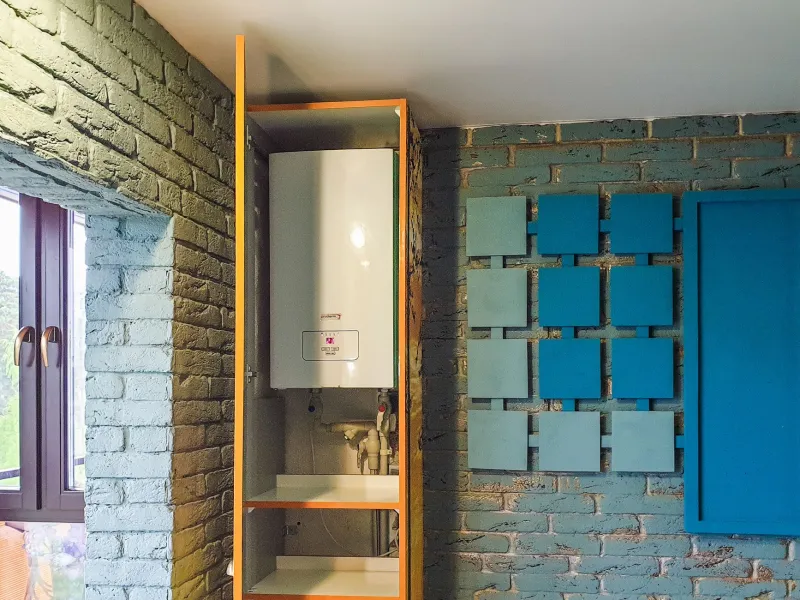
Photo: Bijay Chaurasia, CC BY-SA 4.0, via Wikimedia Commons
Torquay has no shortage of older homes with character: Regency terraces, Victorian villas, flint-and-brick cottages, and plenty of buildings that sit inside conservation areas. They’re lovely places to live, but they can make a simple request — “can I have another socket in the dining room?” — rather more complicated than it sounds.
In a modern house, an electrician can often run a cable, fit a socket and be out before the kettle boils. In a protected property, the same job can involve historic plaster, original skirting boards, a conservation officer, and a conversation about consent. That does not mean the work is impossible. It just means the order of events matters.
First, Work Out What You’re Dealing With
“Listed” and “conservation area” are not the same thing, and neither is a blanket ban on electrical work.
A listed building is protected because of its special architectural or historic interest. Works that affect its character — including some internal alterations — may need listed building consent. Conservation areas protect the wider character of a neighbourhood, so external changes such as new outdoor sockets, visible cabling, garden lighting or an EV charger on a front wall can need planning permission. Some areas also have Article 4 directions that remove certain permitted development rights.
As of 2026, the safest starting point is a quick check with Torbay Council’s conservation team, or a look at the council’s current planning guidance, before anyone lifts a floorboard. A good electrician will not guess on your behalf. They will tell you what the electrical work involves, then you or your electrician can ask whether consent is needed.
Why “Just One Socket” Can Still Matter
It is tempting to think that a socket is minor. Electrically, it might be. But in an old building, the route to that socket can be the real issue.
Chasing a new cable into a solid wall can cut through historic plaster. Lifting original floorboards, notching old joists or drilling through thick stone can affect fabric that has survived for a century or more. Even a small surface-mounted box can look out of place in a room with original cornice and panelling.
For a listed building, listed building consent may be needed for internal works that alter the historic fabric or character of the building. Replacing a fitting like-for-like is usually a different conversation from running new cables through original walls. For a conservation area, the internal work is often less of a planning issue, but anything visible from the street or public space deserves a second look.
Talk to the Conservation Officer Before the Drill
A common mistake is to book the electrician, start the work, and only then discover that consent should have been discussed first. That is the expensive way round.
A better approach is to gather a few simple things: a photo of the wall or area, a rough idea of where the socket or cable needs to go, and your electrician’s proposed route. Conservation officers are not there to stop all change. They are there to make sure changes are proportionate and do not harm what makes the building special. A short early conversation can save weeks of uncertainty.
If consent is needed, apply before work starts. Keep the paperwork with your electrical certificates. Future buyers, insurers and solicitors may ask about both.
Cable Routes That Cause Fewest Regrets
In period homes, the best cable route is usually the one that uses what is already there. Existing voids, loft spaces, under-floor runs and service cupboards are preferable to fresh channels in historic plaster. Where a new route is unavoidable, surface trunking can sometimes be run in a discreet colour and position, rather than cutting into original walls.
A few practical rules of thumb:
- Avoid chasing horizontal slots into stone or historic brick unless a structural specialist and conservation advice support it.
- Do not let anyone notch old joists without checking what is safe and acceptable.
- Keep cables away from original decorative plasterwork and carved timber where possible.
- Use conduit or trunking where a future cable might need to be added without opening the wall again.
- Plan routes for smoke alarms, internet cabling and outdoor circuits at the same time, so the disruption happens once.
A registered electrician should also confirm the earthing and protective devices are suitable. Old houses can have inherited wiring quirks, and a new socket is a good moment to check the consumer unit has RCD or RCBO protection where required.
Fittings That Look at Home
You do not have to choose between modern safety and a period look. There is a wide range of brass, black metal, brushed steel and surface-mounted fittings that suit older interiors better than bright white plastic. In some properties, a surface-mounted box and conduit can look more honest than a badly cut-in flush socket.
That said, do not sacrifice safety for style. Socket outlets should be in sensible positions, not jammed into skirting boards where plugs are stressed, and outdoor fittings need the right IP rating for the location. A good electrician will balance appearance with usability.
Outdoor Circuits Need Extra Care
A garden socket, outdoor light or EV charger in a conservation area can be more sensitive than an indoor socket. Cabling clipped to a front wall, a charger box on a prominent elevation, or a trench through a historic garden wall may need planning permission. In listed buildings, outbuildings and boundary walls can fall within the listing.
This does not mean outdoor power is off the table. It means the design should be discussed early: cable routes, enclosure positions, trenching, and whether the equipment can be tucked away from public view. A proper outdoor circuit also needs the right cable, protection and weatherproofing — an extension lead draped through a window is not a substitute.
Keep Consent and Electrical Safety Separate
Listed building consent and conservation-area permission are about heritage. Electrical certificates are about safety. You need both boxes ticked where they apply.
After the work, keep the Electrical Installation Certificate or Minor Electrical Installation Works Certificate, any building regulations notification where required, and your consent paperwork together. If you are buying or selling an older Torquay home, an EICR can also help show the state of the wiring — but it does not replace listed building consent or planning permission.
The sensible order is straightforward: check the property’s status, discuss the route with your electrician, speak to the council if needed, get consent where required, then do the work and keep the paperwork. It is less exciting than choosing a nice brass socket, but it is the part that protects both your home and its history.