Two EV Charger Quotes, One Driveway: What Torquay Homeowners Should Check First
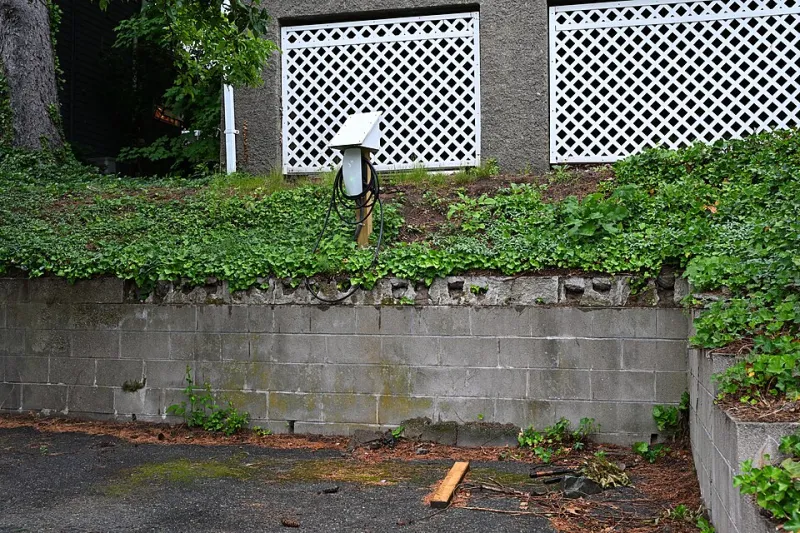
Photo: 4300streetcar, CC BY 4.0, via Wikimedia Commons
An EV charger looks like a small box on the wall. The work behind it is where the difference lies. In 2026, more Torquay households are charging at home, and the quotes landing in inboxes can look remarkably similar on page one. Same charger model, same headline price, same promise of a tidy job. Then you read the small print and realise one quote assumes your existing supply is fine, while the other includes a supply upgrade, load management and a trench across the driveway.
This is not about finding the cheapest box on the wall. It is about choosing an installation that is safe for your house, your car and the weather coming off the bay.
It starts with your supply, not the charger
A typical 7.4kW home charger draws around 32 amps when running flat out. That is a serious load. If your home already has an electric shower, an oven, an immersion heater, a heat pump or an outbuilding supply, the electrician needs to work out whether the existing supply can cope.
They should check the size of your cut-out fuse, the meter tails, the consumer unit, spare ways and the maximum demand of the property. Sometimes the answer is straightforward. Sometimes the charger needs load management so it reduces output when the house is using a lot of power. Sometimes the local network operator needs to be involved because the supply needs upgrading.
Two quotes can look identical and differ wildly here. One may include a supply upgrade application and the other may quietly ignore it. Ask what maximum demand calculation has been done and whether load management is included. If nobody has looked at your consumer unit and earthing, treat the quote as provisional.
Earthing and PEN fault protection
Most UK homes have a PME, or TN-C-S, earthing arrangement. EV chargers need open-PEN fault protection. That can be built into the charger, or it can be handled by a separate earth rod arrangement. Either way, it is a safety feature, not an optional extra.
Some older or more rural properties have a TT system with an earth rod. Coastal properties can fall into this group too. The electrician should test the earth rod resistance and confirm the arrangement before choosing the charger and protection method. If a quote does not mention earthing or PEN protection at all, ask why. It is one of the first things a proper installer should be thinking about.
Cable routes, driveways and coastal weather
The cable is not just a cable. It needs to be the right size for the length of the run, with voltage drop accounted for. Outdoor work usually calls for armoured cable, suitable glands, an IP-rated enclosure and a route that will not fill with water. A drain loop and sensible cable entry matter more than a neat bead of sealant.
Salt air is hard on cheap fixings and accessories. Stainless screws, UV-stable materials and enclosures that are actually suitable for the location will last longer than the budget option. If the charger is going on a wall that takes the weather, think about spray, condensation and how the cable enters the unit. Weatherproofing is a design detail, not a squirt of mastic at the end.
Cable routes also explain a lot of price differences. One quote may assume a short surface run. Another may include trenching through block paving, re-instating the driveway, or a longer run around the back of the house. Ask for the route to be marked on a plan or described clearly.
If your home is in a conservation area, or is listed, check whether the position of the charger and any cable runs need permission. Torbay has conservation areas where external changes can be sensitive. A wall-mounted box on a front elevation may not be as simple as it looks. Check with the council before work starts, and get any necessary consent in writing.
What a proper quote should include
- A site survey, not just a photo and a phone call.
- A supply capacity and maximum demand check.
- The earthing arrangement and the method of PEN fault protection.
- Cable type, size, route, containment and any trenching or re-instatement.
- IP rating, UV resistance and corrosion-resistant fixings.
- Consumer unit capacity, protective devices and an isolator.
- Load management if the supply is tight.
- Any DNO notification or supply upgrade.
- Building Regulations notification and the relevant electrical certificate.
- Commissioning tests and a handover explanation.
- Charger model, warranty, smart charging features and cable storage.
- Aftercare, guarantee and who to call if something trips.
A quote that skips the boring bits is not necessarily better value. It may simply be leaving the expensive bits for later.
Why two identical-looking quotes can differ
One quote may include a supply upgrade. One may include load management. One may include a longer armoured cable run, trenching and re-instatement. One may include an earth rod and testing. One may include a surge protective device. One may include the correct Building Regulations notification and certificate. One may not.
Ask for an itemised breakdown and compare the scope, not just the total. A cash job with no certificate and no notification might look cheaper, but it can leave you with a charger that is difficult to insure, awkward to sell with, or unsafe in a fault. That is not a bargain.
Before you book, send photos of your consumer unit, meter area and proposed charger position. Ask how they will protect against open-PEN faults. Ask what happens if the supply cannot take the load. Ask who will notify the local authority and who issues the certificate. A good installer will welcome the questions. A rushed one will not.
A safe EV charger is not the cheapest one on the driveway. It is the one designed for your supply, your cable route and Torquay’s coastal weather.