When New LEDs Play Up: A Torquay Homeowner’s Guide to Flicker, Buzz and Early Failure
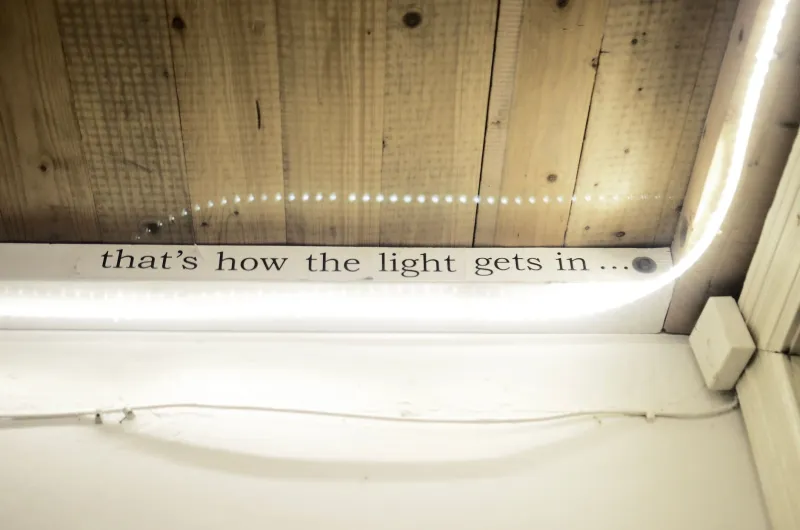
LEDs are supposed to be the sensible upgrade: lower running costs, longer life, less heat. So it can be a bit deflating when you fit a new lamp and it strobes like a ferry warning light, buzzes quietly from the ceiling, or gives up after a few months. In older Torquay homes, that sort of behaviour is common enough — and it usually says more about the wiring and fittings than it does about the bulb itself.
Why LEDs expose old circuits
An LED draws very little current compared with the halogen or incandescent lamp it replaced. That sounds like a pure win, but older electrical accessories were not designed around such small loads. A dimmer that worked beautifully with a 60W bulb may not have enough load to function properly with a 6W LED. A transformer tucked above a ceiling may be expecting a different sort of lamp altogether. Even the way a two-way landing light is wired can become noticeable when the load changes.
Coastal homes add another wrinkle. Torquay’s supply is generally fine, but older properties often have a mixture of original and extended circuits, and voltage can wander a little more than it does in a modern new-build. Cheap lamps with poor driver electronics tend to be less forgiving of that. They may flicker, run hot, or fail early — not because the supply is dangerous, but because the lamp is not robust enough for the reality of the installation.
The dimmer switch is usually the first suspect
If a new LED flickers or will not dim smoothly, start at the switch. Standard dimmers often have a minimum load requirement, and a single LED lamp may fall well below it. You may also have a leading-edge dimmer paired with lamps that prefer trailing-edge control. The result can be a faint buzz, an uneven dimming range, or flicker at low settings.
A qualified electrician would check the dimmer’s specification against the lamps fitted, confirm the total load, and test whether the switch is suitable for LED use. Sometimes the fix is a straightforward replacement dimmer rated for LEDs — a sensible job, not a major expense. But it is not simply a case of buying the first LED-compatible dimmer on the shelf. The lamp type, quantity and circuit layout all matter, and mixing brands can produce irritating results.
Transformers left behind in the ceiling
Older downlights often have small transformers or drivers hidden above the ceiling. When halogen lamps are swapped for LED replacements, those old units may still be in place. Some transformers will cope; many will not. You can end up with flicker, a high-pitched whine, or lamps that work for a while and then drop out.
The proper fix is usually to replace the old transformer or driver with one matched to the new LED lamp — or to change the fitting entirely. This is where a quick bulb swap can turn into a slightly bigger job, but it is still a contained one. What you should not do is leave a failing transformer quietly cooking above a ceiling for years. Heat and old components are not a great combination, and inaccessible joints are exactly the sort of thing an electrician will want to inspect properly.
Borrowed neutrals and two-way switching
Some flicker problems are not about the lamp at all. In older properties, lighting circuits can have borrowed neutrals — a wire from one circuit used in a way that makes another switch or light work. It is more common than homeowners expect, particularly where extensions or extra switches have been added over the decades. With traditional bulbs the symptom may be invisible. With LEDs, even a tiny stray current can be enough to make a lamp glow faintly or flicker when it should be off.
Two-way switching — the arrangement that lets you control a landing or hallway light from two places — can also produce odd LED behaviour if the wiring is not quite as it should be. This is not a DIY guessing game. An electrician would test the circuit, identify what is happening, and correct the underlying arrangement rather than just fitting another lamp and hoping for the best.
Cheap lamps and coastal voltage swings
Not every problem is a wiring fault. Some LED lamps are simply built to a price and have poor driver electronics. They may dislike small voltage variations, run hotter than expected, or fail prematurely in enclosed fittings. In a coastal town, salt air and damp can also affect fittings and connections over time, even if they are indoors. Add in a cheap lamp and an ageing fitting, and reliability suffers.
That does not mean you need to spend a fortune on lamps. It does mean buying from a known brand, checking the lamp is suitable for the fitting, and avoiding the temptation to fill every ceiling with the cheapest bulk pack available. If a particular lamp keeps failing in the same position, that is a clue worth following rather than ignoring.
What an electrician would actually test
A proper visit is not just a case of swapping a bulb. An electrician would check the supply and circuit arrangement, confirm the dimmer or driver is compatible, inspect terminations and fittings, and test for issues such as borrowed neutrals or poor connections. They would also look at the age and condition of the wiring in the affected area, especially in older Torquay properties where previous alterations may not be documented.
That matters because flicker and buzz are not always harmless quirks. Sometimes they are just an incompatible dimmer. Sometimes they point to a loose connection, a failing driver, or a circuit that needs attention. The difference between a £20 switch change and a more involved fix is usually found through testing, not through buying another lamp.
The sensible next step
If one new LED is misbehaving, try a known good lamp in the same fitting and see what changes. If several lamps on the same switch flicker, or the problem follows the switch rather than the bulb, stop swapping and get the circuit checked. LEDs are a good upgrade for most homes, but they work best when the accessories around them are matched to the load. In an older Torquay house, that bit of compatibility checking is often the difference between a neat, reliable upgrade and months of annoying little flickers.