Before the Scaffolding Goes Up: Solar and Battery Checks for Torquay Roofs
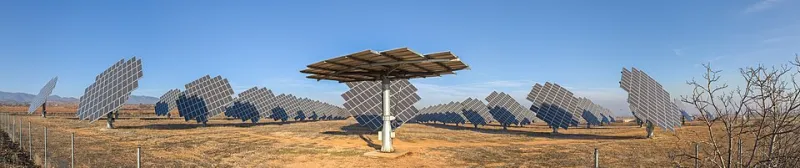
Photo: Diego Delso, CC BY-SA 4.0, via Wikimedia Commons
Solar panels and battery storage have a habit of looking wonderfully simple on a quote: a few black rectangles on the roof, a box on the wall, an app on your phone, and cheaper electricity by tea time. In a Torquay home, the reality is a little more grounded. Roofs take a battering from sea air, lofts get hot and cold, and plenty of older properties have consumer units that were never designed with a solar inverter and a battery in mind. None of that means you should walk away. It just means the electrical conversation should happen before the scaffolding arrives.
Start with the roof, not the brochure
A solar installer will look at orientation, pitch and shading. You should look at the roof itself. Is it near the end of its life? Are there slipped slates, tired flashings or a flat roof section that already leaks? Putting panels over a roof that needs replacing is an expensive way to make a future job harder. In Torquay, the mix of slate, tile and flat-roof extensions means there is no single answer. A south-facing roof is lovely, but east-west arrays can still work well if the system is designed around when you actually use power. Mature trees, nearby buildings and the shape of the valley can all change the picture.
Ask for a shading plan, not just a panel count. Ask how the mounting system is fixed and whether the roof covering will be reinstated properly. If the installer cannot explain those details clearly, that is worth noting.
Salt air changes the maintenance conversation
Living near the coast is a pleasure until you notice what sea air does to metal fixings, outdoor lights and anything left to fend for itself. Solar panels are built for weather, and a decent system should cope. But the frame edges, mounting rails, connectors and cable entries are the parts that deserve a second look. Cheaper fixings and untidy cable routing can age badly in a coastal postcode.
This is not a reason to panic. It is a reason to ask what grade of mounting hardware is being used, how cable entries will be sealed, and whether the inverter and battery are rated for the position they are being put in. A quick visual check every so often is sensible: look for loose cabling, corrosion, bird activity or water tracking around entry points. Do not climb on the roof to investigate. Use binoculars from the garden or ask a professional.
Where will the inverter actually live?
This is the question that separates a neat job from a cramped one. Inverters need ventilation and reasonable temperatures. A hot loft in July is not ideal. A damp cellar or a salty garage corner is not much better. Some models are fine in a garage; others are not. Battery units have their own requirements too, including clearances, ventilation and access for maintenance. They should not be boxed into a cupboard and forgotten.
Think about noise as well. Inverters are not usually loud, but they can make a low hum. If the only spare wall is beside a bedroom or in a snug, that may become irritating. And think about access: whoever services the system needs to reach the isolators safely, without moving a freezer or squeezing past a bike rack.
The consumer unit is part of the system
Solar and battery storage are not just roof and garage equipment. They connect to the electrical installation, and that means the consumer unit, earthing and protective devices all matter. A modern board with spare ways, clear labelling and RCBO protection is easier to integrate than an old fuse box with no room and no RCD protection. If your board is already crowded, or has a history of nuisance tripping, sort that out first rather than asking a solar installer to squeeze the system around it.
Ask who is doing the electrical design and who is signing off the work. A competent solar installer should be able to explain the AC and DC isolation arrangements, how the system will be protected, and what notifications are needed. In the UK, domestic electrical work has to comply with Building Regulations, including Part P where it applies. MCS certification is a useful marker for the solar side, but it does not replace a proper conversation about your existing wiring.
Earthing and bonding deserve a mention too. Coastal homes can have earthing arrangements that have been altered over the years. Before adding generation and storage, it is worth confirming that the installation is in good order. This is not glamorous work, but it is the foundation.
Battery storage: useful, but not a magic cupboard
A battery can make more sense if you are at home during the day, or if you can shift car charging, hot water or appliance use into the evening. It can also help during short power cuts, but only if the system is designed with backup in mind. Many standard battery setups will not keep the whole house running when the grid goes down. If backup is important to you, say so at the start, because it changes the equipment and the wiring.
Battery location matters. A freezing outbuilding may not suit every unit. A hallway cupboard may be convenient but not compliant. Fire safety guidance and manufacturer instructions need to be followed, and access should be kept clear. Do not let anyone persuade you that a battery is just a box that can go anywhere.
What payback really depends on
Payback estimates are sensitive to things nobody can guarantee: how much electricity you use when the sun is out, future tariffs, export rates, battery prices and how long the equipment lasts. A quote that promises a precise payback date is guessing with confidence. A better quote will show assumptions clearly and explain what happens if you use less power during the day than expected.
For many Torquay homes, the biggest gains come from using the power on site rather than exporting it. That might mean running the washing machine at lunchtime, charging an EV during daylight, or using a diverter for hot water. A battery can help, but it is not automatically the right choice for every budget. Sometimes a smaller array and a smarter tariff will do more than a large array and a battery that sits mostly full.
Questions to ask before you sign
Ask how the roof will be assessed, what mounting hardware is specified, where the inverter and battery will go, and whether your consumer unit has capacity. Ask who handles the grid notification, what happens if the roof needs work later, and how the system will be isolated in an emergency. Ask for a copy of the electrical certificate and the handover pack. Ask what maintenance is actually needed, and what is not covered by the warranty.
A good installer will welcome those questions. A rushed one will try to move you back to the price. In a coastal town like Torquay, the difference between a decent solar job and a frustrating one is often not the panel brand. It is the roof assessment, the salty details and the wiring behind the wall.